Why We Do Things Differently: One Team, Start to Finish
If you’ve had building work done before, you’ll probably recognise this: a different contractor for the insulation, another for the plastering, someone else again for the carpentry. Each one does their bit and moves on. Nobody’s really responsible for how it all fits together.
That’s how most of the construction industry works — even on retrofit projects that are marketed as a complete, joined-up service. Research into UK retrofit has found that even companies offering a “whole house” service are usually assembling a temporary team of subcontractors for each job, often a completely different team than the one before. So while the sales pitch sounds joined-up, the people actually doing the work often haven’t worked together before, and won’t again after.
We don’t work that way.
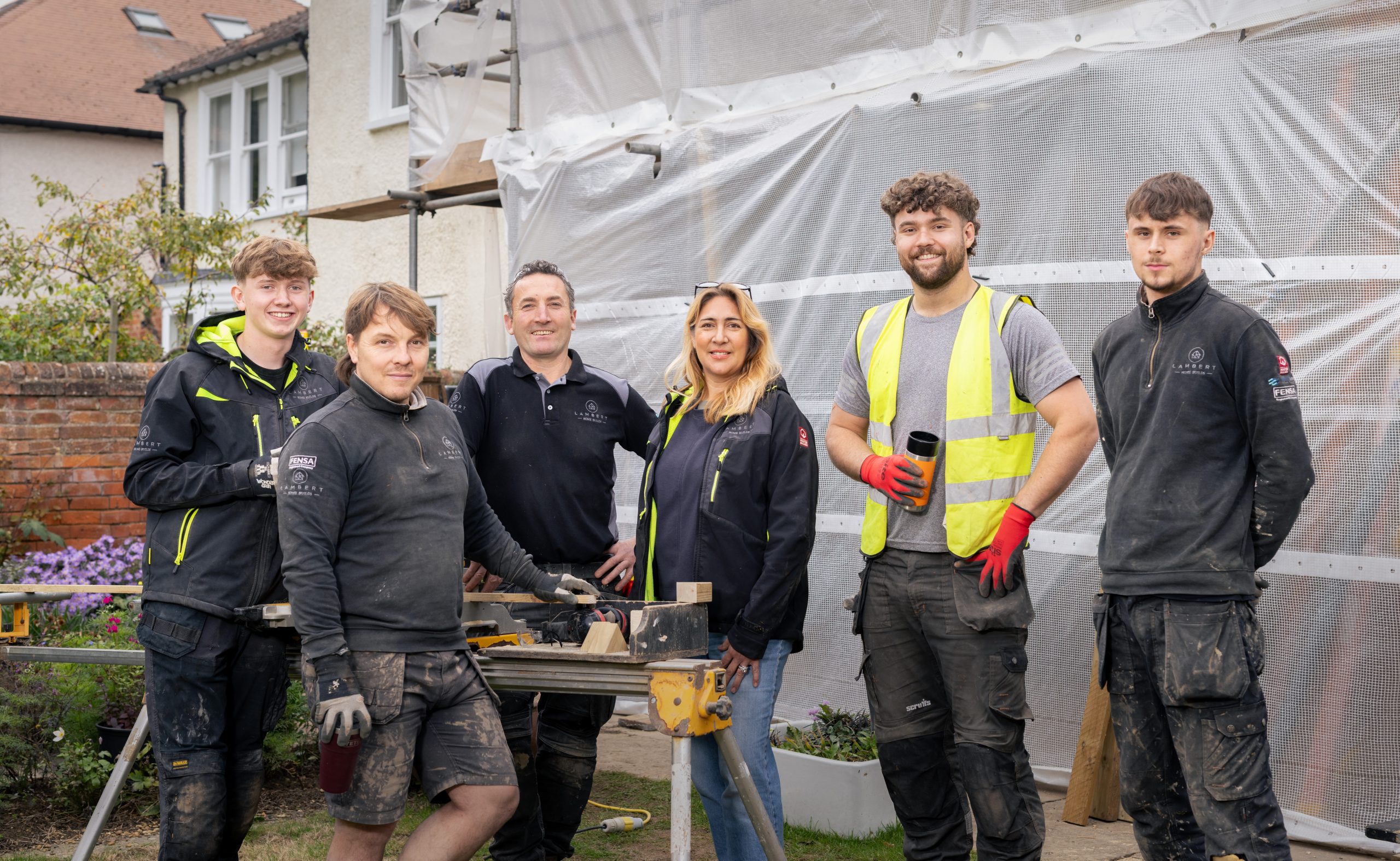
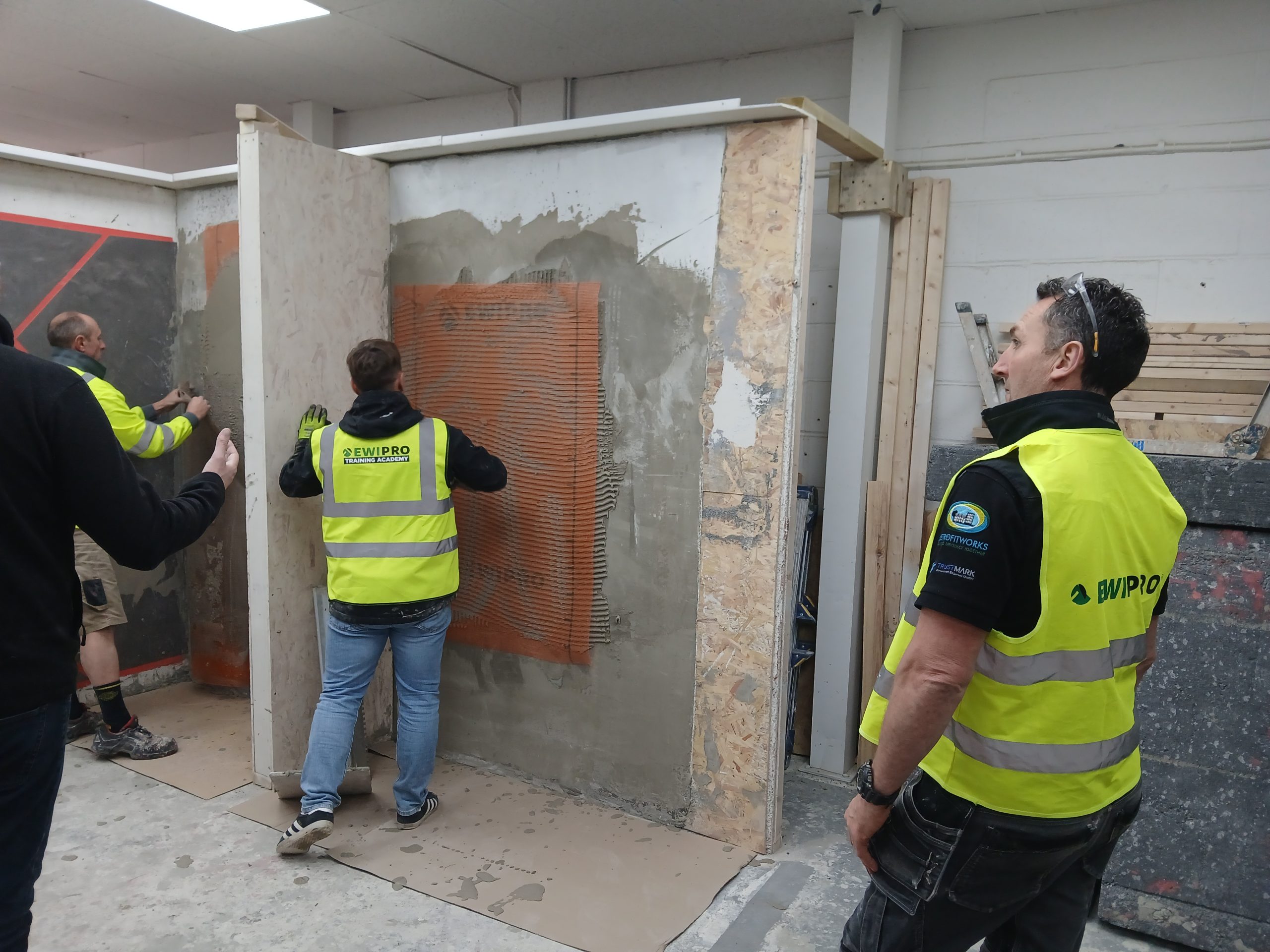
At Lambert Home Builds, we employ our own team directly. The same people who do your insulation also do your plastering, your wet trades, your carpentry. They’re not brought in for one job and gone the next — they work together, project after project, and they know exactly how each other works.
Why this matters for your home
The places where retrofit most often goes wrong aren’t the big, obvious jobs — they’re the small joins in between. Where a wall meets a floor. Where insulation meets a window frame. Where a pipe or cable has to pass through an airtight layer. Get these “junctions” wrong, and you can end up with cold spots, damp, or draughts, even if every individual job was done well on its own.
When different subcontractors handle each piece separately, these junctions are often nobody’s clear responsibility. Each person does their bit correctly in isolation, but nobody’s watching how it all connects.
Because our team stays the same from project to project, they’re the ones responsible for making sure everything meets properly — not passing that problem down the line to whoever’s next. It also means the lessons learned on one home carry over to the next, rather than starting from scratch with a new set of faces each time.
What this means for you
- One team, one point of contact — no chasing different tradespeople or wondering who’s responsible for what.
- Consistent standards — the same people, trained to the same level, on every part of your project.
- Fewer gaps — the connections between different parts of the work are owned, not left to chance.
It’s a genuinely different way of working from most of the industry — and it’s why we do it this way.
Want to know more about how our team approach works on a project like yours? Get in touch.